 (Image source: Gemini)
 As we move through the year, the way we think about beverages has shifted from simple hydration to something much more intentional. We aren't just grabbing a drink anymore. We're selecting a tool for our lifestyle. Whether you’re trying to cut back on booze or looking for a soda that actually does something for your body, the industry is racing to keep up with your changing habits. So what does this actually mean for your daily routine? It means the lines between the pharmacy, the coffee shop, and the cocktail lounge have officially blurred. Let's look at the major shifts that are redefining what ends up in your glass.
The Rise of the Sober Curious Movement
Remember when "Dry January" was a grueling test of willpower that everyone gave up on by the twelfth? Those days are gone. Now, being sober curious is a year-round lifestyle for a huge chunk of the population. It isn't a temporary fad. It's a fundamental change in how we socialize.
The biggest trend we're seeing right now is something called zebra striping. Have you tried it yet? It’s the practice of alternating between an alcoholic drink and a non-alcoholic one throughout the night.¹ About 36 percent of Americans are now using this method to keep the party going without the morning-after regret. It’s a brilliant way to stay social while prioritizing your mental clarity.
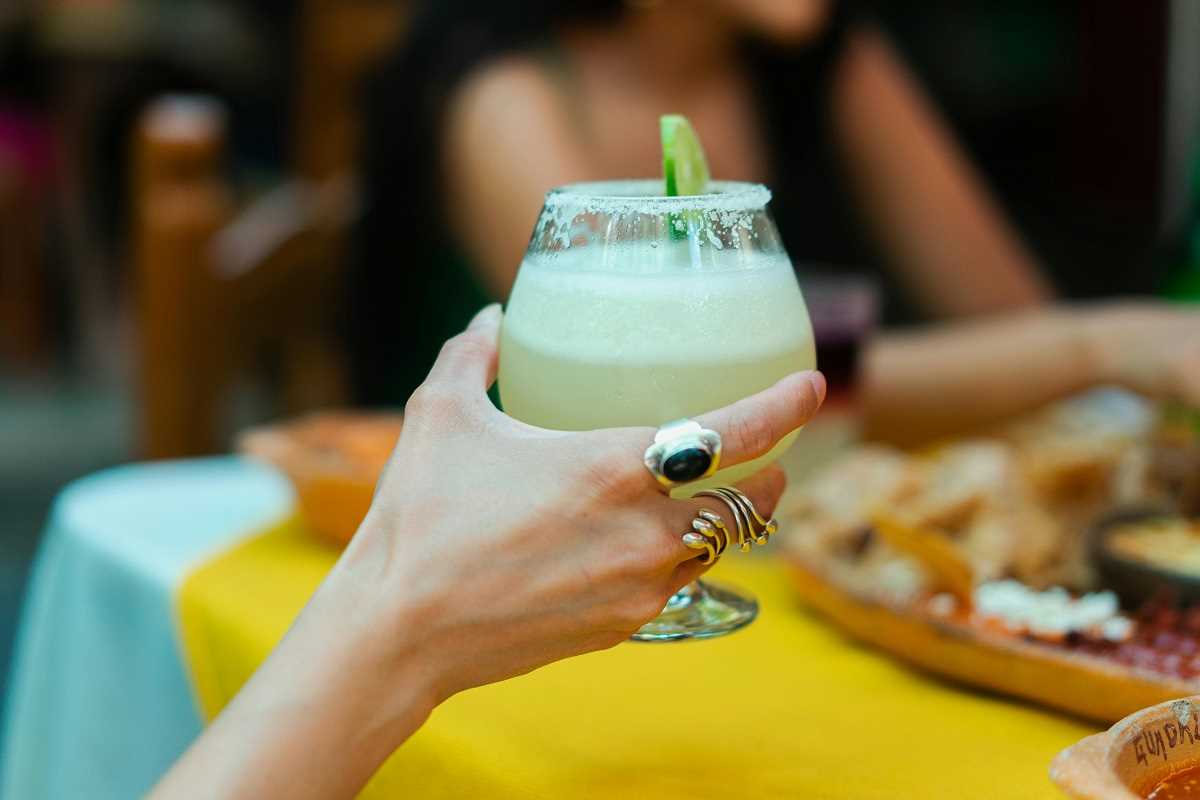
This shift has forced high-end bars to step up their game. You won't just find a sugary "mocktail" made of orange juice and grenadine on the menu anymore. Instead, you'll see complex zero-proof spirits that use botanicals to mimic the bite and mouthfeel of a real gin or whiskey. Brands like Lyre’s have become staples because they provide that sophisticated ritual of a cocktail without the alcohol content.
- Market Growth: The non-alcoholic market is expected to hit nearly 5 billion dollars by 2028.
- Socially Sober: Major players like White Claw have launched 0% versions to cater to the crowd that wants the can in their hand without the buzz.
- Demographic Shift: Millennials are currently the biggest drivers of this trend, making up over 60 percent of non-alcoholic beer consumers.
Functional Beverages and Drinking for Wellness
Have you noticed how every drink seems to have a "job" lately? We've moved into an era of precision wellness where we expect our beverages to do more than just taste good. We want them to solve problems. This is the rise of functional beverages, a market that is ballooning toward 340 billion dollars globally.³
It’s all about mood maintenance. Think of it like a software update for your brain. If you're feeling stressed, you reach for a drink with ashwagandha or magnesium. If you need to finish a big project, you look for nootropics and L-theanine. Last year, over 80 percent of Gen Z consumers said they consider these mood-boosting ingredients needed when picking out a drink.
Then there’s the gut health revolution. Brands like Poppi and Olipop have basically rebranded soda as a health supplement. By packing drinks with prebiotics and probiotics, they’ve turned a "guilty pleasure" into something you feel good about drinking. Even the rise of weight-loss medications like Ozempic is changing things. People are now looking for high-protein, nutrient-dense drinks to make sure they get their needed nutrients while eating less.
- Gut Health: Prebiotic soda sales have seen double-digit growth as consumers ditch traditional high-sugar options.
- Clean Labels: People are tired of mystery chemicals. Clean, transparent ingredient lists are now the industry standard.
- Protein Power: There is a massive demand for drinks containing 30 grams of protein or more to support muscle maintenance.
Sustainability and Ethical Consumption
We’ve all felt that twinge of guilt when tossing a plastic bottle into a bin that’s already overflowing. Consumers are finally demanding better, and the industry is listening. Sustainability has moved past the stage of just being a marketing buzzword. It’s now about circularity and reducing the actual footprint of every sip.
Have you seen the new fiber bottles yet? Companies like Carlsberg are moving away from plastic rings and experimenting with paper-based packaging that actually holds carbonated drinks.⁴ It sounds like something out of a sci-fi movie, but it's becoming a reality on your local shelves. Even glass is getting a makeover, with companies "lightweighting" their bottles to burn less fuel during shipping.
Transparency is the other big piece of this puzzle. About 72 percent of you now want to see exactly where your ingredients come from. Many brands are starting to use QR codes on their labels. You can scan them to see the entire supply chain, from the farm where the fruit was grown to the carbon footprint of the factory that canned it.
- Eco-Friendly Packaging: The shift from plastic to aluminum and fiber is accelerating.
- Supply Chain Transparency: Consumers are choosing brands that pay fair wages and use ethical sourcing.
- Refillable Systems: In some regions, returnable and refillable bottles are making a massive comeback to eliminate waste entirely.
The Tech-Driven Flavor Revolution
This is where things get really interesting. How do companies decide that "Yuzu and Hibiscus" is going to be the next big thing? They aren't just guessing anymore. They’re using AI. Think of it like the digital equivalent of a master sommelier who has read every flavor profile on the planet.
AI is now being used to predict which flavors will trend before we even know we want them. This has led to a surge in global fusion flavors. We're seeing a lot of influences from Asia and South America, with ingredients like calamansi, turmeric, and star anise showing up in everything from sparkling water to create sodas.
Personalization is the next frontier. We're moving toward data-driven drinks where you might eventually get a beverage tailored to your specific DNA or nutritional needs. It sounds futuristic, but the tech is already being integrated into how new products are developed.
- AI Prediction: Algorithms are analyzing social media and search data to create "viral" flavor profiles.
- Global Influence: Exotic botanicals are replacing basic flavors like lemon and lime.
- Digital Fluency: Younger consumers are more likely to try "weird" flavor combinations they see trending online.
Convenience Meets Quality in the RTD Boom
The days of "Ready-To-Drink" (RTD) meaning a lukewarm, sugary mess in a can are officially over. The RTD market has gone premium. You can now get a bar-quality Espresso Martini or a smoked Old Fashioned in a portable can that tastes just as good as what a professional bartender would make.⁵
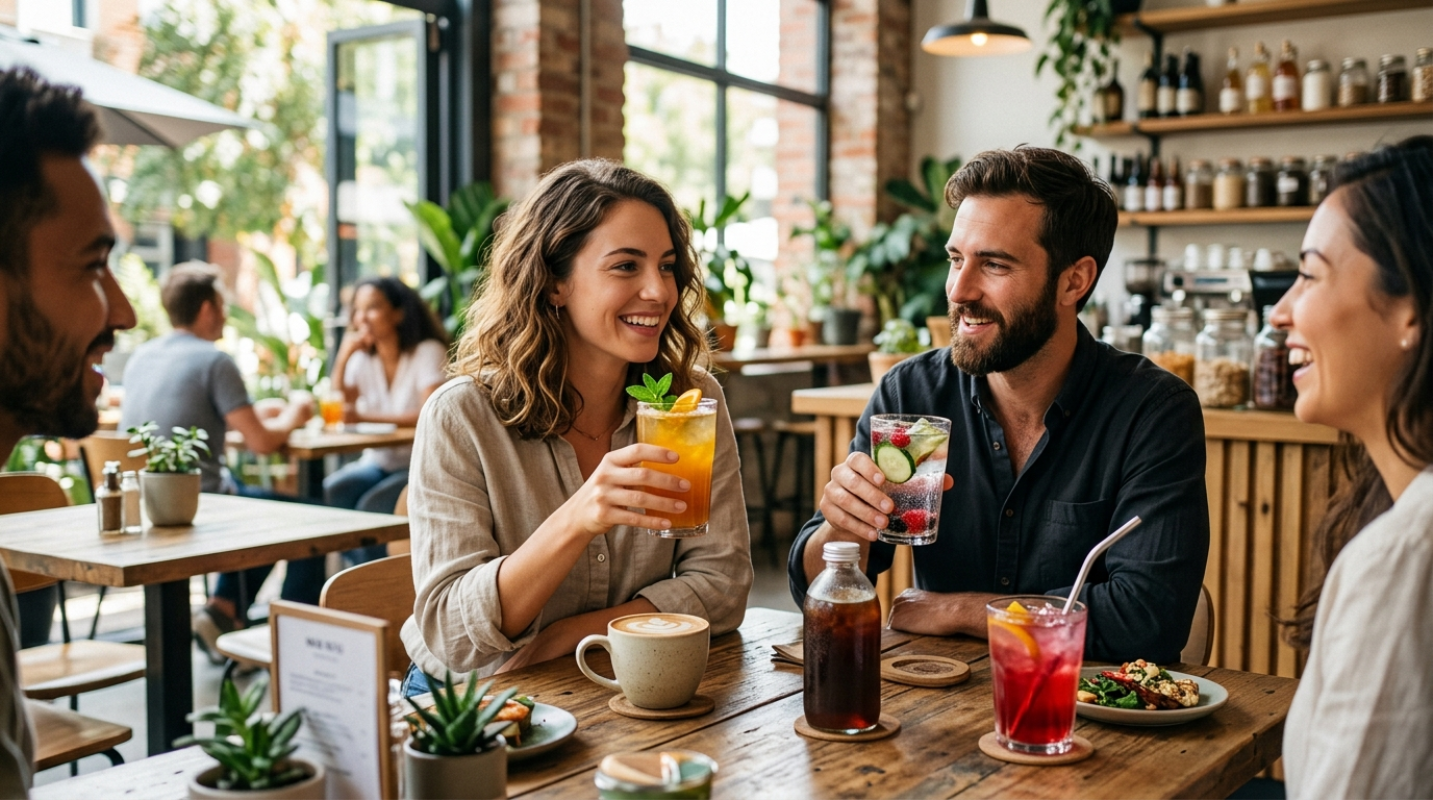
This boom is all about the portability factor. Our social lives are more fluid than they used to be. We want to be able to take a high-quality cocktail to a picnic, a beach, or a friend’s house without hauling a whole bar kit with us. This convenience has blurred the lines between different types of venues. Your favorite coffee shop might now serve canned cocktails in the evening, and your local juice bar might have a selection of functional RTDs for your post-workout fix.
It’s also about "affordable luxury." Although people might be spending less on expensive nights out at five-star hotels, they’re willing to spend a bit more on a high-quality "treat" they can enjoy at home.⁵
- Premium Standards: RTD cocktails now use real spirits and high-end bitters.
- Social Portability: The "on-the-go" lifestyle is driving the demand for sleek, easy-to-carry packaging.
- The Third Space: Cafes and lounges are merging their menus to offer a mix of caffeine, wellness, and alcohol-free options.
This article on brewsugar is for informational and educational purposes only. Readers are encouraged to consult qualified professionals and verify details with official sources before making decisions. This content does not constitute professional advice.