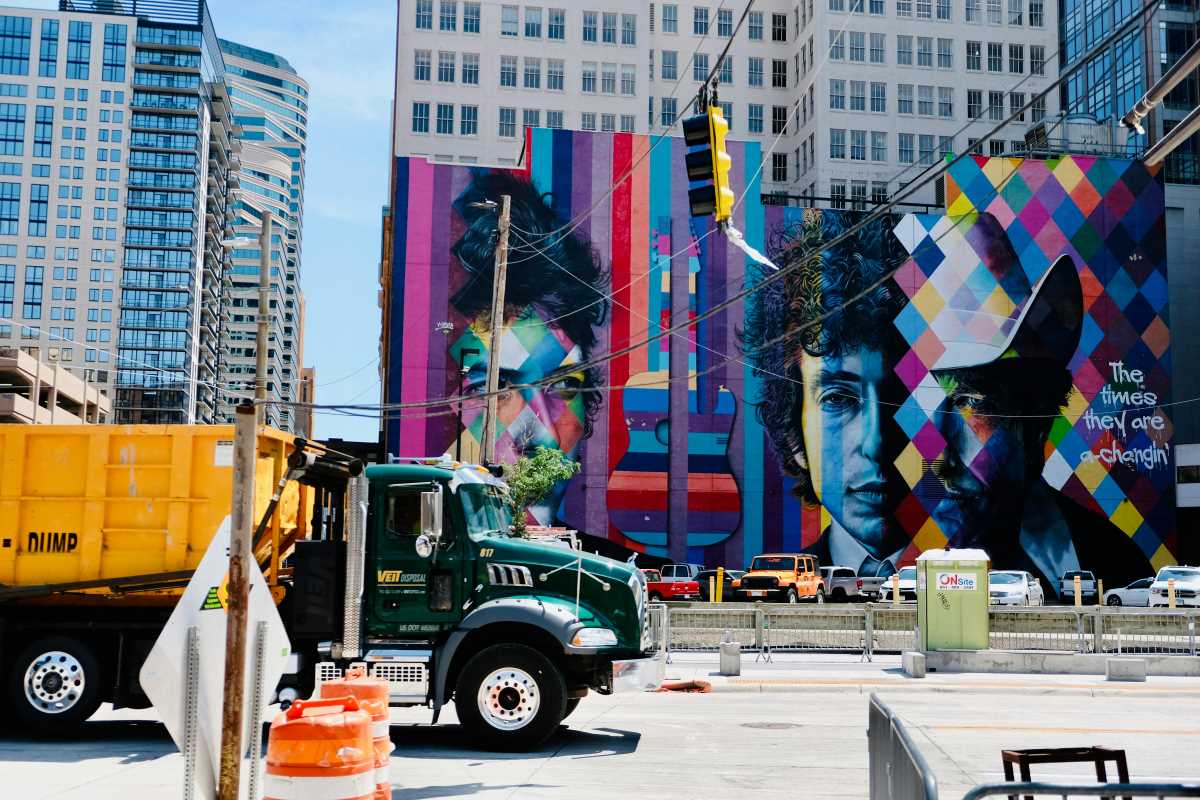
 (Image via
Everything old is new again, and nowhere is this more obvious than in the movies we watch, the games we play, and the merch we buy. You can’t scroll through a streaming service without seeing a reboot of a show from the 90s or a sequel to a movie your parents loved. This isn't an accident or a lack of new ideas; it is a specific marketing strategy called nostalgia branding. Companies use positive memories from the past to build emotional connections with consumers today. This powerful tool is reshaping modern fandoms, bridging the gap between generations, and turning childhood memories into massive, active communities. Understanding how this works reveals why we are so obsessed with retro content and how brands are cashing in on our collective history.
The Psychology Behind the "Good Old Days"
Nostalgia is a potent psychological force. It is a sentimental longing for the past, often associated with a period of happiness or security. Brands tap into this feeling because it bypasses logic and hits us right in the feelings. Seeing a logo from your childhood or hearing a theme song from a Saturday morning cartoon releases dopamine in the brain. It makes you feel safe, happy, and connected to a simpler time.
Modern life is often stressful and fast-paced. People naturally crave the comfort of the familiar. Nostalgia branding acts like a warm blanket, offering a retreat into a world we already know and love. This emotional hook is incredibly effective for building loyalty. You aren't just buying a product; you are buying a piece of your own identity. Fandoms thrive on this shared identity. When a brand successfully triggers nostalgia, it validates the fans' history and makes them feel seen. This deep emotional resonance turns casual viewers into die-hard advocates who will defend a franchise and buy every piece of merchandise available.
Reboot Culture and the "Legacy Sequel"
Hollywood has perfected the art of the "legacy sequel." This is a movie that brings back original cast members decades later to pass the torch to a new generation. Think Star Wars: The Force Awakens or Top Gun: Maverick. These films are designed to hit two massive demographics at once: the older fans who grew up with the original and the younger fans discovering the world for the first time.
This strategy supercharges modern fandoms. It creates a shared language between parents and kids. Suddenly, a teenager and their dad are both excited about the same movie release, dissecting trailers and buying tickets together. The fandom expands rapidly because it isn't limited by age. Legacy sequels leverage the built-in audience of the past to guarantee success in the present. They don't have to spend millions explaining the backstory because half the audience already knows it by heart. This allows studios to skip the risky "introduction" phase and jump straight into massive, event-level marketing campaigns that dominate social media conversations.
Gaming Remakes: Polishing the Past
Video games are perhaps the most aggressive sector for nostalgia branding. Remakes and "remasters" of classic games like Resident Evil 4 or Final Fantasy VII are huge business. These aren't just simple re-releases; they are ground-up reconstructions using modern technology to make the game look how you remember it looking, rather than how it actually looked.
Gamers have a unique connection to nostalgia because they actively participated in the stories. Replaying a childhood favorite with photorealistic graphics validates those early experiences. It treats the original game with reverence, signaling to the fandom that their history matters. This sparks intense online debate and community engagement. Forums light up with comparisons between the original and the remake. YouTubers make video essays analyzing every pixel. The release of a remake creates a massive surge of activity in a fandom that might have been dormant for years. It revitalizes the intellectual property, often leading to new merchandise, spin-offs, and even TV adaptations, creating a self-sustaining ecosystem of content rooted entirely in the past.
Retro Aesthetics in Modern Design
Nostalgia branding isn't always about bringing back a specific old product; sometimes it's just about the "vibe." The "Synthwave" visual style, with its neon pinks, purples, and grid lines, mimics the look of the 1980s. Shows like Stranger Things heavily utilize this aesthetic, even for audiences who weren't alive in the 80s.
This "anemoia," nostalgia for a time you never experienced, is a fascinating trend in modern fandoms. Gen Z fans are buying vinyl records, wearing vintage band tees, and using disposable cameras. Brands cater to this by designing new products with retro packaging. Fast food chains bring back old logos. Tech accessories are designed to look like old Game Boys or Macintosh computers. This visual language signals "cool" and "authentic." It allows modern fandoms to curate an identity that feels established and meaningful, distinct from the sleek, minimalist, and often sterile design of contemporary technology. It gives new fans a way to participate in a history they missed, blending it with modern internet culture to create something entirely unique.
The Role of Social Media in Amplifying Nostalgia
Social media platforms are the engine room of nostalgia branding. "Throwback Thursday" and "Flashback Friday" are hashtags built entirely around looking back. Algorithms prioritize content that generates high engagement, and few things get people commenting like a shared memory.
A simple picture of a discontinued snack or an old toy can go viral instantly. Comments flood in with stories like "I remember eating these at recess!" or "My grandma bought me this!" Brands monitor these conversations closely. They use social listening tools to identify which retro properties have the most heat. If enough people tweet about wanting a specific old show back, a streaming service might actually reboot it. Fandoms now realize they have this power. They organize campaigns to "save" or "revive" beloved franchises. This direct line of communication between the fan community and the brand owners has changed the dynamic. Fans feel like active participants in the resurrection of their childhood favorites, deepening their investment and loyalty to the brand.
Merchandising the Memories
Fandoms express their love through stuff. Nostalgia branding has exploded the market for collectibles. Companies like Funko Pop, NECA, and LEGO produce high-end, detailed figures and sets based on properties that are decades old. These aren't toys for kids to play with; they are display pieces for adults with disposable income.
The "kidult" market is a massive driver of the economy. Adults buying toys for themselves allow brands to monetize nostalgia at a premium price point. A LEGO set of the Home Alone house or a Transformers figure that costs hundreds of dollars isn't an impulse buy. It is a calculated purchase driven by deep emotional attachment. Limited edition drops and exclusive releases fuel the "fear of missing out" (FOMO). Fans rush to buy these items to prove their dedication to the fandom. Unboxing videos and collection tours on TikTok further amplify the hype. Owning the physical representation of a memory validates the fan's identity and signals their status within the community, keeping the franchise relevant and profitable long after the original content has ended.